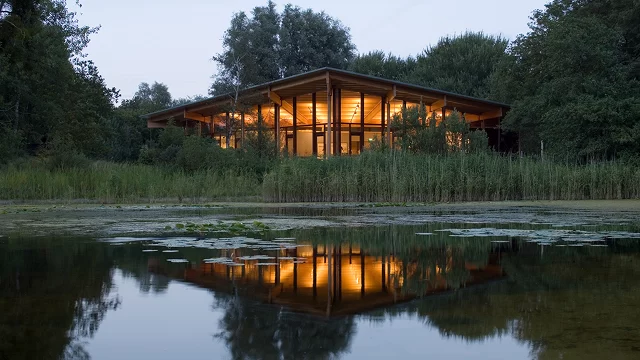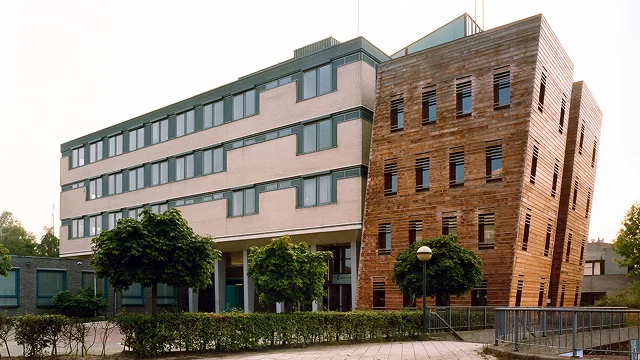
Purpose-led architecture is not about adding a statement after the design is complete. It is about making the reason for a building visible in its plan, structure, material choices, environmental strategy, and everyday use.
A purposeful building should answer a clear set of questions. Who is it for? What does it need to make easier, better, or more dignified? How will it perform in its climate? How will it be maintained? What should it contribute to its setting?
Passive principles first
Before relying on complex systems, the design should do as much work as possible through form and orientation. Shade, ventilation, daylight, thermal mass, protected openings, and planted edges can all improve comfort while reducing dependence on energy-intensive solutions.
These decisions are most effective when they are part of the concept rather than a late-stage checklist. Environmental performance and architectural character should support each other.
Grounded in culture and use
Buildings also need cultural intelligence. Spaces should respect patterns of gathering, privacy, work, movement, and ritual. Materials and details should carry meaning where appropriate, but they should also be practical, available, and suited to the conditions they will face.
Building with purpose means designing with restraint where restraint is needed, and with generosity where generosity matters. It is a way of keeping architecture focused on performance, place, and the people it serves.